Washington, D.C.
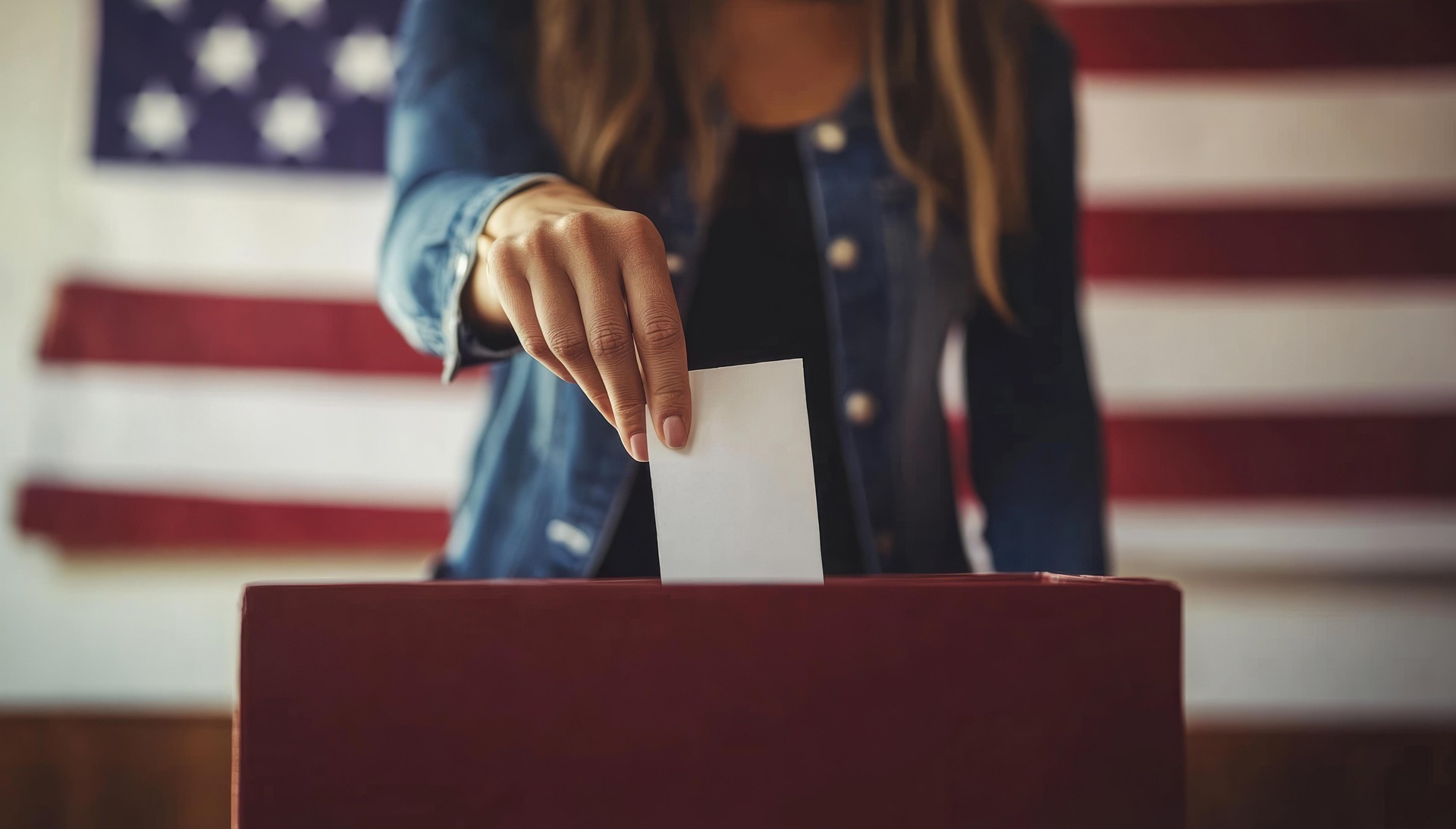
On its face, the Voting Transparency Act introduced this week is a radical reimagining of civic duty. But legally, it is built on a scaffolding of Supreme Court precedents that experts say are structurally sound, even if they were never intended to support such weight.
While the “secret ballot” is a sacred norm in American life, constitutional scholars note that it is surprisingly absent from the text of the Constitution itself. The document guarantees a right to vote, but is silent on the mechanics of privacy.
“We have always assumed secrecy was the default,” says Prof. Julian Davis of Georgetown Law. “But strictly speaking, the secret ballot is a creation of state laws from the late 19th century. There is no explicit federal prohibition against the government asking how its own employees voted, provided they aren’t firing them for it—though this bill seems to walk right up to that line.”
The ‘Parker’ Precedent
The bill’s architects appear to be relying heavily on the “separate society” doctrine established in Parker v. Levy (1974). In that landmark case, the Supreme Court ruled that the military is a specialized society separate from civilian life, and that “the fundamental necessity for obedience” may render permissible within the military that which would be constitutionally impermissible outside it.1
If the military can curtail a soldier’s First Amendment right to speak (as in Parker) or their right to wear religious apparel (as in Goldman v. Weinberger), proponents argue it requires only a small logical leap to curtail their privacy in the voting booth for the sake of “good order and discipline.”
The ‘Waiver’ Loophole
Perhaps most cynically, the legislation exploits a loophole that already exists. For years, military members voting from overseas via fax or email have often been required to sign waivers acknowledging their vote may not be secret due to technical limitations.2
The new bill effectively takes this technical bug and turns it into a feature. By classifying all military votes as “personnel records,” the G.O.P. is arguing they are simply standardizing a lack of privacy that thousands of troops already tolerate.
“They are weaponizing the bureaucracy of the absentee ballot,” said one dissenting JAG officer, speaking on condition of anonymity. “They aren’t taking away the right to vote; they are just making sure they know who to promote and who to discharge based on that vote. It’s not disenfranchisement; it’s a loyalty test with a paper trail.”
Related Video from the Archives
For context on how military voting was originally framed as a non-partisan logistical triumph, this 1963 archival film outlines the history of the absentee ballot: The Vote (1963) – Military Absentee Voting History