LOS ANGELES, CA
As the group stage of the 2026 FIFA World Cup reaches its high-octane climax across North America, the international soccer fans flooding into the United States are discovering a reality far grimmer than the shiny tourism brochures promised.
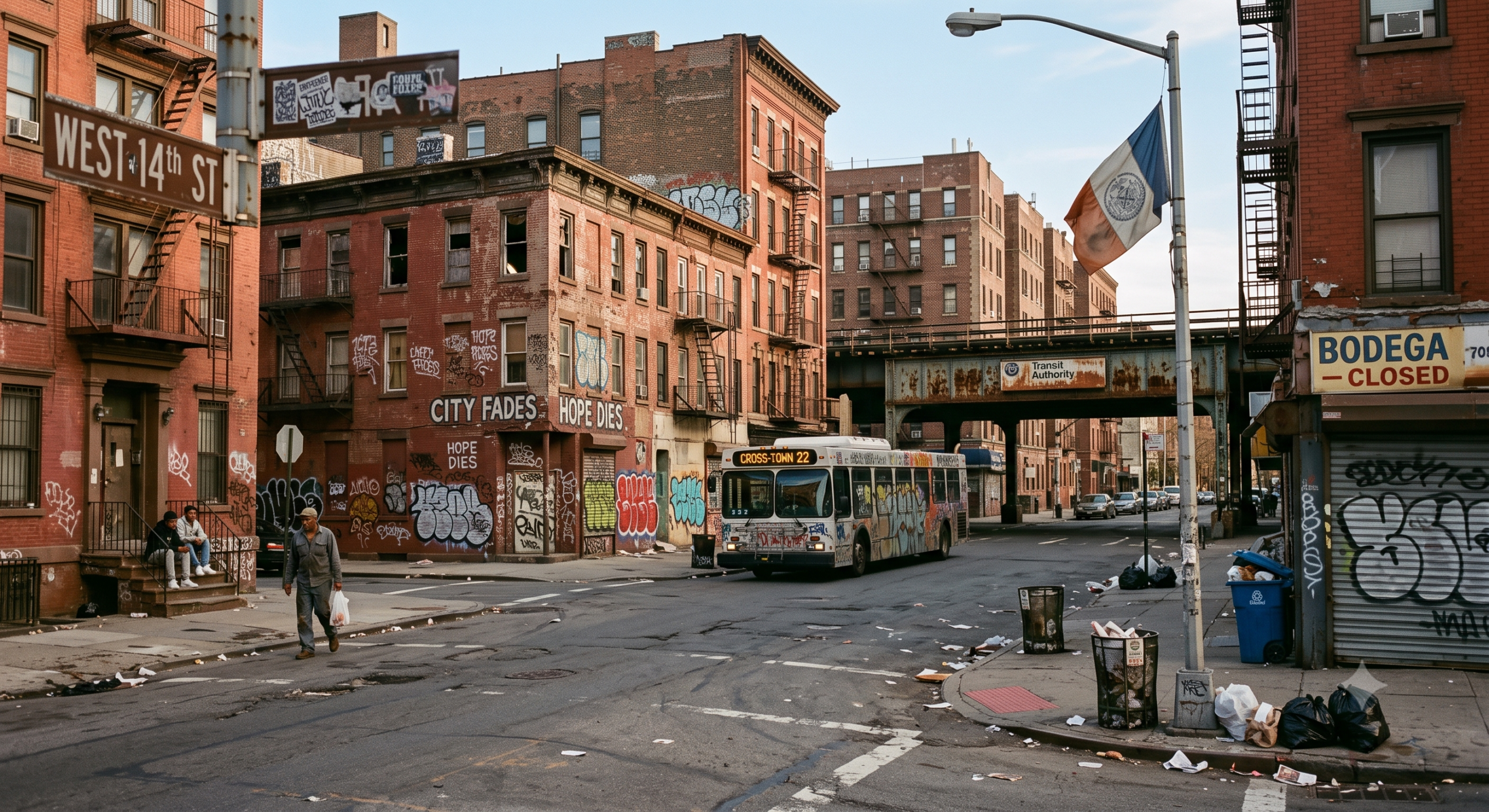
Instead of witnessing the peak of Western civilization, millions of foreign spectators stepping outside the secure boundaries of modern stadiums are finding themselves face-to-face with the radical progressive blueprint. From the graffiti-covered transit lines of Los Angeles to the neglected sidewalks of Philadelphia and New York, international tourists are expressing profound shock at the open lawlessness and visible urban decay festering in America’s legacy metropolitan areas.
Culture Shock in the Coastal Hubs
For European and South American travelers accustomed to historic, well-monitored city centers, a walk down the avenues of blue-state host cities has become an exercise in survival.
“We expected the glamour of Hollywood,” explained a bewildered Sweden supporter currently staying near the Los Angeles Stadium in Inglewood, where Sweden faced Japan on Thursday night. “Instead, when we took the local train, we encountered open drug use, aggressive vagrancy, and piles of uncollected garbage right next to the tournament banners. The local government has completely abandoned the basic rules of public order. It feels less like a global entertainment capital and more like a post-apocalyptic simulation.”
The sentiment was heavily mirrored on the East Coast. Following Ecuador’s dramatic victory over Germany at the New York New Jersey Stadium on Thursday afternoon, thousands of international fans who crossed the Hudson River into Manhattan were greeted by the pungent odors and chaotic street conditions that have defined the city’s recent administration.
The Failure of the Soft State
Conservative civic analysts point out that this civilizational regression is the direct, mathematical result of soft-on-crime policies and defunded police budgets championed by progressive mayors. While red states continue to cultivate clean, business-friendly environments, the coastal host cities have spent years prioritizing activist agendas over basic sanitation and public safety.
“The world is looking at our country right now, and the blue-state leadership is embarrassing us on a global stage,” a prominent urban policy expert stated on national television. “Under legacy administrations, these destination hubs were pristine. Now, tourists from South Korea, France, and Brazil are writing home to warn their families about the picking of pockets and the encampments on our public parks. The radical left wants to normalize this decline, but the international community isn’t buying the spin.”
The Secured Oasis Paradigm
To prevent a total public relations catastrophe, local organizing committees have been forced to deploy massive, private security cordons to insulate the wealthy tournament dignitaries from the surrounding realities. Inside the stadium gates, visitors are treated to high-end hospitality, pristine concourses, and immaculate turf.
But the moment the match ends and fans disperse into the broader municipal transit networks, the illusion immediately shatters. Local business owners in Philadelphia, which hosted a match on Thursday afternoon, noted that the influx of international cash is being severely suppressed because tourists are terrified to leave their hotel rooms after sunset.
A Clear National Verdict
As the tournament prepares to transition into the high-stakes knockout rounds next week, the political verdict among traveling sports fans is already definitive. The corporate media can attempt to highlight the architectural beauty of the newly built stadiums, but the reality on the asphalt tells the true story of modern urban governance.
The 2026 World Cup was supposed to be a grand celebration of American abundance, but in the cities managed by the opposition, it has simply become a multi-billion-dollar magnifying glass exposing the tragic, systemic rot of the progressive status quo.